If your carpet looks dull, smells off, or still feels sticky after a past cleaning, the real question is not whether it needs attention. It is whether steam cleaning vs shampooing will give you the result you actually want. That difference matters more than most people realize, because the wrong method can leave behind residue, longer dry times, and carpet that gets dirty again faster.
For most homes, these two methods are not equal. They are built on different cleaning principles, and they perform very differently when you are dealing with pet accidents, tracked-in soil, spills, or years of wear. If you want your carpet cleaned properly the first time, it helps to understand what each method really does.
Steam cleaning vs shampooing: what is the difference?
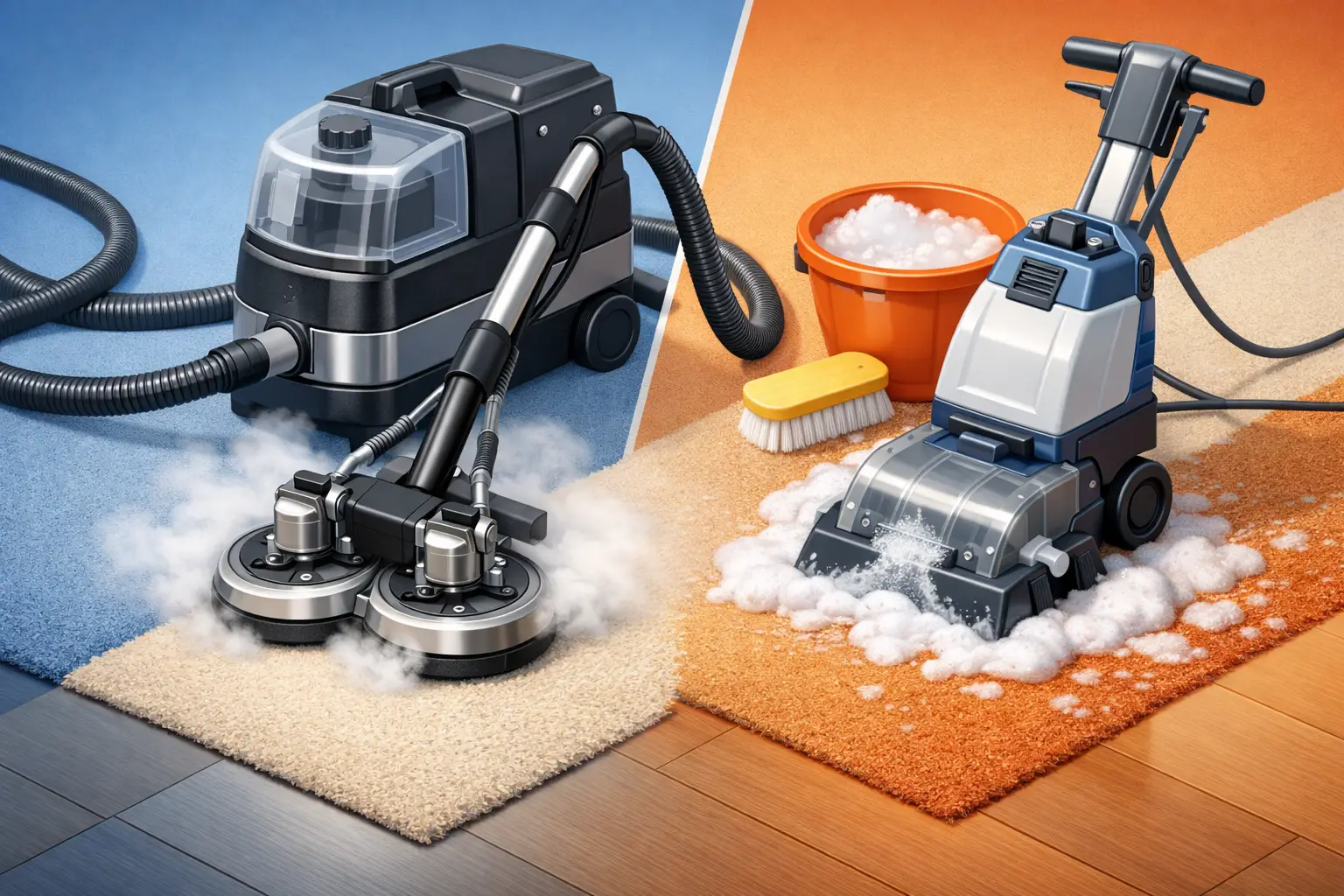
Shampooing is the older approach. A foaming detergent is worked into the carpet with a machine, usually with rotating brushes. The goal is to loosen soil and suspend it in the foam. In some cases, the carpet is then vacuumed after it dries, or lightly extracted. Shampooing can make carpet look cleaner for a while, especially on the surface, but it often leaves detergent behind.
Steam cleaning, more accurately called hot water extraction, uses hot water and a cleaning solution to flush dirt out of the carpet fibers. A powerful vacuum then extracts the water, soil, allergens, and cleaning agents from deep in the pile. Despite the name, it is not just steam. The real strength is heat, agitation, and strong extraction working together.
That extraction step is the game changer. Cleaning is only half the job. Removing what was loosened is what determines whether the carpet is truly clean or just temporarily improved.
Why steam cleaning usually delivers better results
In real homes, carpets do not just collect visible dirt. They hold fine grit, oils, pet dander, food residue, body soils, and whatever gets tracked in from outside. Surface scrubbing alone does not remove all that. It can actually push some of it deeper or spread it around if the method is not followed by strong rinsing and extraction.
Steam cleaning is better suited for deep soil removal because it reaches below the surface and pulls contamination out instead of leaving it suspended in the carpet. That is especially important in high-traffic lanes, family rooms, stairs, and homes with pets or kids.
It also tends to leave the carpet feeling softer and cleaner underfoot. When shampoo residue remains in the fibers, carpet can feel crunchy, sticky, or rough after drying. That residue becomes a magnet for new dirt. Homeowners often think the carpet “got dirty fast,” when the real problem was leftover detergent.
Professional hot water extraction also gives technicians more control. Heat levels, solution strength, dwell time, agitation, and vacuum recovery can all be adjusted based on the carpet type and the problem being treated. That matters when you are trying to restore carpet instead of just freshening it up.
Where shampooing still has a place
Shampooing is not useless. It can help in certain situations, particularly when a carpet is heavily matted with greasy soil and needs aggressive agitation before extraction. In some commercial settings, or on older carpets with specific cleaning histories, it may be used as part of a broader process.
But as a standalone method, it is usually not the best choice for modern residential carpet care. The biggest issue is residue. The second is drying time. The third is that brushing can be too harsh for some carpet fibers if done improperly.
There is also a big difference between true professional cleaning and a basic shampoo machine rented from a grocery store. Rental units often lack the heat, suction, and recovery power needed to remove what they put into the carpet. That is one reason DIY shampooing can leave carpets wetter for longer and sometimes bring odors back as the carpet dries.
Steam cleaning vs shampooing for pet stains and odors
This is where method really matters.
Pet issues are rarely just on the surface. Urine can move through the carpet into the backing and sometimes into the underpad. A shampoo machine may clean the top fibers and improve the smell for a short time, but if it leaves moisture and residue behind, the odor often returns. In some cases, over-wetting can even reactivate old contamination.
Steam cleaning, when done correctly with proper treatment products, is the better option for pet accidents because it allows for rinsing, extraction, and targeted flushing. If sanitizing and odor control are needed, those steps can be built into the process instead of masked with fragrance.
The same goes for food spills, tracked-in grime, and unknown stains. You want a method that removes contamination, not one that just makes the carpet look brighter for a few days.
Dry time, residue, and re-soiling
If you have kids, pets, or a busy schedule, dry time matters. Nobody wants to tiptoe around wet carpet all day.
Shampooing often uses more detergent and can leave carpets wetter for longer, especially with lower-powered equipment. Longer dry times increase inconvenience, but they can also increase the chance of musty smells, wicking, or spots returning from deeper in the carpet.
Steam cleaning done with professional truck-mounted or high-performance portable equipment typically dries faster because more water is recovered during cleaning. Faster dry times depend on several factors, including airflow, humidity, carpet thickness, and how heavily soiled the carpet was to begin with. Still, strong extraction is a major advantage.
Then there is re-soiling. If you have ever had a carpet cleaned and noticed it looked dingy again surprisingly fast, leftover shampoo is often the culprit. Residue acts like a dirt magnet. A properly rinsed hot water extraction process reduces that problem and helps the carpet stay cleaner longer.
Which method is safer for carpet fibers?
That depends on the carpet and how the work is performed.
Over-aggressive shampooing can distort pile, fuzz certain fibers, or leave brush marks on delicate carpet. That does not mean shampooing always damages carpet, but it does require care. Some carpets simply do not respond well to heavy scrubbing.
Steam cleaning is generally the safer all-around method when done by a trained professional who understands fiber identification, moisture control, and the right chemistry for the job. Wool, synthetic blends, stain-resistant carpet, and older carpet each need a slightly different approach.
That is one reason professional training matters. An IICRC-certified cleaner is not just running a machine. He is identifying what the carpet can handle, treating spots correctly, and cleaning for the best result without creating new problems.
The method matters, but so does the operator
This is the part many homeowners miss.
A bad steam cleaning job can still disappoint if the technician rushes, uses too much solution, skips pre-treatment, or does not extract thoroughly. And a careful technician using the right agitation tools as part of a hot water extraction process can get dramatic results on carpet many people think is beyond saving.
That is why the conversation should not stop at steam cleaning vs shampooing. You also want to know what equipment is being used, whether the carpet will be rinsed properly, how stains and odors are treated, and whether the person doing the work stands behind it.
Owner-operated service makes a difference here. When the person quoting the job is the same person cleaning it, there is more accountability. The work tends to be more detailed because there is no handoff and no guessing about what the customer expects.
At The One Carpet & Upholstery Cleaning, that hands-on approach matters because difficult jobs are rarely solved with a one-size-fits-all process. Heavily soiled traffic areas, filtration lines, pet damage, and neglected carpet need judgment, not just equipment.
So which should you choose?
For most residential carpets, steam cleaning is the better investment. It removes more soil, leaves less residue, dries faster when done properly, and gives better long-term results. If your goal is a true deep clean instead of a short-lived cosmetic improvement, hot water extraction is usually the right answer.
Shampooing may still play a limited role in specific situations, especially as a supporting step for heavily impacted soil. But as the main method for carpet cleaning, it falls short in too many homes because it does not rinse and recover contamination as effectively.
If your carpet has odors, recurring spots, sticky residue, heavy traffic lanes, or years of built-up soil, choosing the stronger method can save you frustration and help preserve the carpet longer.
The best cleaning is not the one that makes the carpet look good for a day. It is the one that leaves it genuinely cleaner, healthier, and easier to maintain after the job is done.