A carpet can look clean overall and still have one ugly reminder of a leak, a plant spill, or a past cleanup job. That is what makes water stain removal carpet issues so frustrating. The stain often shows up as a dull ring, a yellow or brown mark, or a stiff patch that looks worse after it dries than it did when it was wet.
Most people assume water itself is the problem. Usually, it is not. The real issue is what the water carried into the carpet and what it left behind when it dried. That difference matters, because if you treat a water stain the wrong way, you can lock it in deeper or spread it wider.
Why water stains show up on carpet
When water touches carpet, it moves through the fibers, into the backing, and sometimes into the pad below. As it dries, it pulls soil, minerals, detergents, tannins, or rust-like residue back up to the surface. That is why a clear spill can leave a visible mark.
In homes, the most common causes are overwatering houseplants, dripping windows, pet water bowls, small plumbing leaks, wet shoes, and DIY spot cleaning that used too much solution. In some cases, the carpet was not stained by clean water at all. It may have been affected by dirty runoff, a previous spill that got reactivated, or moisture wicking old contamination from the pad.
That is also why one water mark may come out easily while another keeps returning. If the source is only on the surface, basic treatment may fix it. If the contamination is in the pad or subfloor, the spot can wick back after it appears dry.
Water stain removal carpet methods that help
The first goal is simple – avoid making the stain larger. Aggressive scrubbing, soaking the area, or using random household chemicals usually creates more work.
Start by vacuuming the area once it is fully dry. If the stain is just a mineral or soil ring on the tips of the fibers, dry vacuuming can remove some of it before moisture is added again. After that, use a clean white towel and lightly blot with warm water. Not hot water, and not enough to saturate the carpet.
If plain water does not shift it, mix a small amount of clear dish soap with water and test a hidden area first. Then lightly blot the stain from the outside toward the center. The goal is controlled transfer, not flooding. Once the mark starts to release, go back over it with a towel dampened only with clean water to remove residue.
That rinse step matters. A lot of recurring water stains are not really water stains anymore. They are detergent stains. Soap left in the carpet attracts soil, and the spot darkens again fast.
When vinegar helps and when it does not
A light vinegar solution can sometimes help with mineral residue or mild browning, especially if the stain came from hard water. Used sparingly, it can break down deposits that plain water leaves behind.
But vinegar is not a cure-all. On wool rugs or natural fibers, it needs more caution. On certain older stains, especially yellowing tied to jute backing, urine contamination, or rust, vinegar may do very little. If the stain has a brown edge and keeps reappearing after cleaning, the problem may be deeper than surface residue.
Drying is part of stain removal
Even a good spot treatment can fail if the area stays damp too long. After blotting and rinsing, press dry towels into the spot and apply firm pressure. A fan helps. Fast drying reduces the chance of wicking, odor, and backing-related discoloration.
If the carpet feels damp underneath for hours, that is a warning sign. Surface cleaning may not be enough.
What not to do with water-stained carpet
The biggest mistake is over-wetting the spot. People see a water mark and think more water will fix it. Sometimes it does the opposite by driving the residue deeper and expanding the stain line.
Another common mistake is using strong store-bought spot removers without knowing the fiber type. High-alkaline cleaners, bleach-based products, and heavily fragranced sprays can distort color, leave sticky residue, or create a bright clean patch around a dull stain. Then you do not just have a water mark. You have a texture or color mismatch too.
Steam cleaners rented for home use can also be hit or miss. They often leave too much moisture behind and do not extract enough from the pad. For a fresh spill, that may be manageable. For a stain that has already dried and set, it can make recurring wicking more likely.
When a water stain is really a restoration issue
This is where experience matters. Not every stain labeled as water damage is the same. Some are simple residue marks. Others involve browning from cellulosic fibers, filtration soil, adhesive bleed, rust transfer from furniture legs, or contamination pulled up from underneath.
A professional cleaner should be looking at more than the visible spot. Fiber type, backing material, age of the carpet, source of the moisture, and how many times the area has already been treated all affect the result. A stain near a baseboard may point to condensation or slow seepage. A circular stain under a plant can involve fertilizer minerals. A recurring patch after a plumbing issue may mean the pad still holds residue.
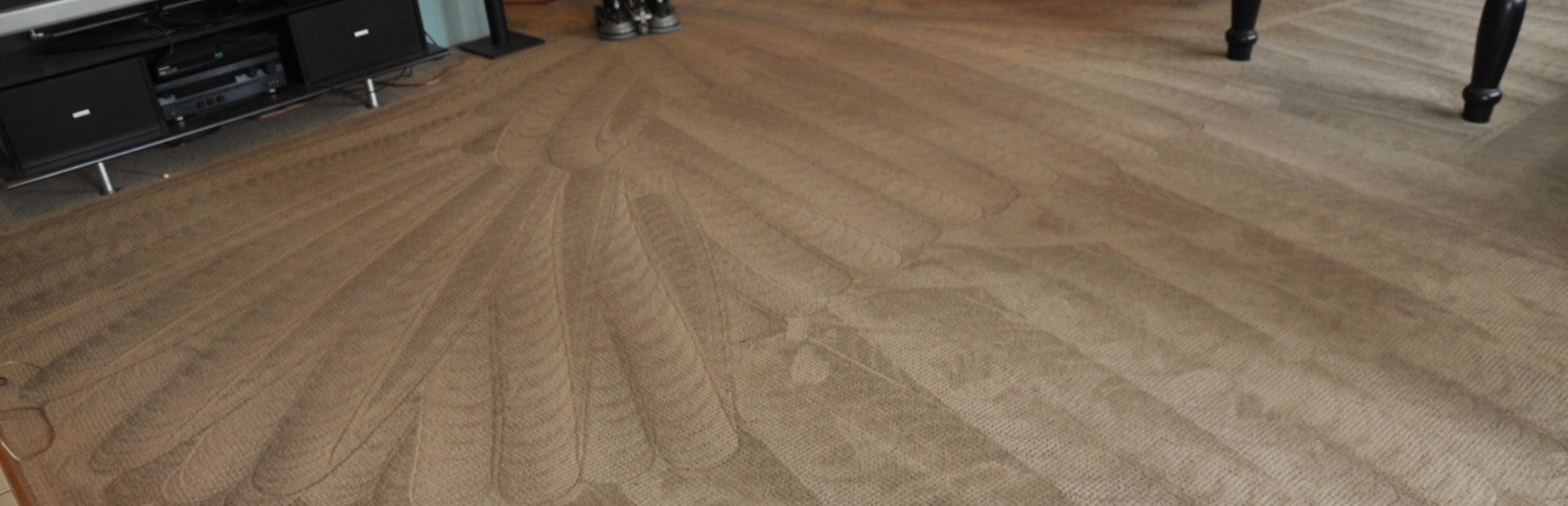
That is why true restoration cleaning often includes controlled rinsing, specialized spotting agents, and high-powered extraction instead of just surface shampoo. Truck-mounted equipment and tools such as Rotovac-style agitation can make a major difference when the goal is to flush contamination out rather than spread it around.
Why some stains come back after they looked gone
If you have ever cleaned a spot, felt good about it, and then found the same ring the next day, you have seen wicking. Moisture below the surface rises as the carpet dries and pulls dissolved soil with it. The top may look clean while wet, then the stain returns as everything dries out.
This is especially common after leaks, pet bowl spills, overapplied spot cleaners, and rental machine use. It is also common when the original problem was never just water. The deeper layers still hold the residue, and the carpet keeps bringing it back up.
A proper fix may require repeated flushing and extraction, controlled drying, or in some cases pad inspection and replacement. That is not scare language. It is just the reality of what happens when moisture gets below the face fibers.
Professional water stain removal carpet service makes sense when the stain is yellow, brown, or recurring
If the stain is small, recent, and clearly on the surface, DIY treatment can be worth trying. If it is spreading, yellowing, smelling musty, or returning after cleanup, the smart move is to stop experimenting.
Professional service saves carpet in situations where homeowners often give up too early or make the spot worse. The right process starts with identifying the stain source, then matching the chemistry and extraction method to the carpet. That might mean an acidic treatment for browning, a rinse for detergent buildup, deep extraction for pad contamination, or specialized stain correction for older water marks.
This is also where owner-operated service matters. You want the person cleaning your carpet to recognize the difference between a surface stain and a moisture problem. At The One Carpet & Upholstery Cleaning, the work is handled directly, with restoration-focused equipment, eco-friendly citrus-based products, and the kind of careful inspection that only comes from hands-on experience with difficult stains.
How to protect your carpet after the stain is gone
Once the stain is removed, prevention is straightforward. Keep plant trays sealed, address window condensation early, and do not let pet water bowls sit directly on carpet without a waterproof mat. If you clean up a spill, use as little moisture as possible and dry the area fast.
It also helps to schedule periodic deep cleaning before the carpet gets overloaded with soil. Cleaner carpet is easier to spot treat because there is less residue waiting below the surface to wick upward. In other words, maintenance is not just about appearance. It changes how well your carpet recovers when accidents happen.
Some stains really are simple. Others are a signal that moisture has moved deeper than you think. If a water mark on your carpet keeps catching your eye, trust that instinct. The sooner it is handled correctly, the better the odds of getting the carpet back to near-original condition instead of just making the stain temporarily disappear.