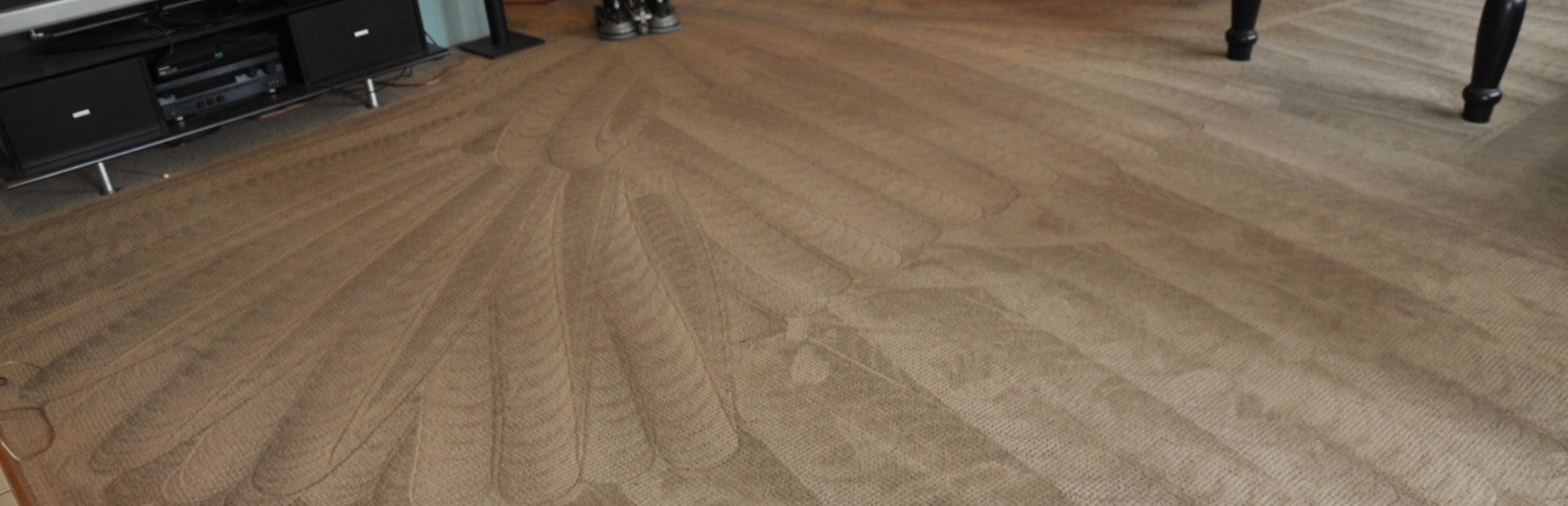
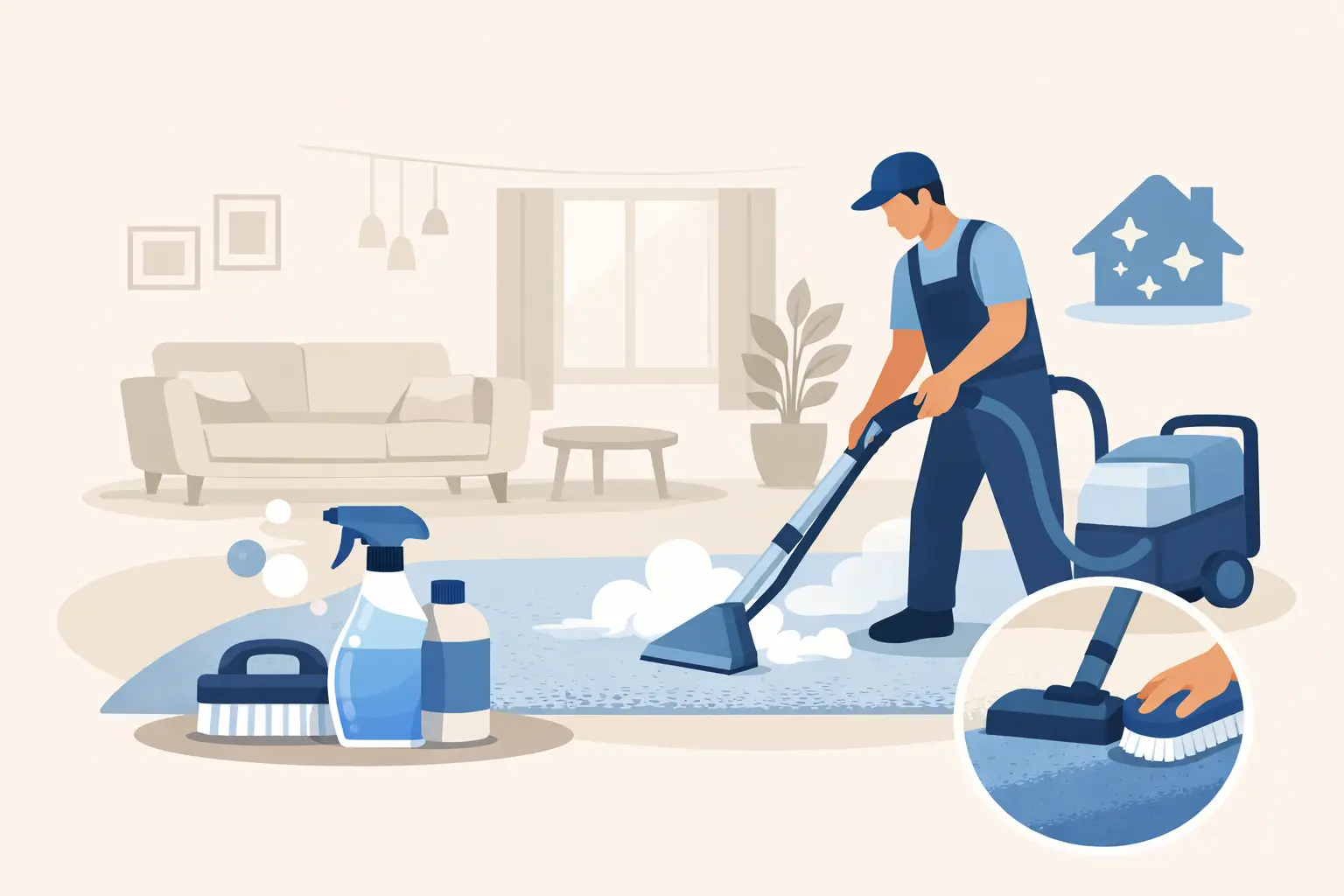
Carpet rarely looks dirty all at once. It happens lane by lane, room by room, under the dining chairs, along the baseboards, and in the spots where pets nap or kids drop snacks. A solid carpet cleaning maintenance guide helps you stay ahead of that buildup before your carpet starts looking worn, holding odors, or showing traffic patterns that are harder to reverse.
If you want carpet to last, maintenance has to be more than occasional vacuuming and hoping for the best. Good care is about timing, using the right methods, and knowing when a problem is still manageable and when it needs professional restoration-level cleaning. That difference matters, especially in busy homes with pets, children, guests, or frequent foot traffic.
What carpet maintenance really does
Regular maintenance is not just about appearance. Dirt, sand, and fine grit work down into carpet fibers and backing over time. Every step across that debris creates friction, which gradually wears the fibers down. That is why a carpet can look flat, gray, or tired even when there are no major stains.
The other issue is residue. Spills that seem cleaned up can leave behind sugars, oils, soap, or moisture. Those residues attract new soil and create recurring spots. Odors can also settle deeper than the surface, especially from pets, food spills, dampness, or tracked-in organic material.
A good maintenance plan protects the carpet you already paid for. It also keeps your home feeling cleaner overall because carpets tend to hold onto what comes in from outside.
A practical carpet cleaning maintenance guide for real homes
The best carpet care routine depends on how you actually live. A quiet spare bedroom does not need the same schedule as a family room with a dog, two kids, and a back door nearby. Most carpets benefit from a mix of weekly upkeep, immediate spot response, and periodic deep cleaning.
Vacuuming is your first line of defense, but frequency matters. In lower-traffic rooms, once a week may be enough. In hallways, stairs, entry areas, and family spaces, two to three times a week is more realistic. Homes with pets often need even more attention because fur, dander, tracked soil, and occasional accidents add up quickly.
Technique matters too. Fast, light passes do less than slower vacuuming with overlapping strokes. High-traffic areas need repeated passes because embedded soil does not come up in one sweep. If your vacuum bag or canister is packed, suction drops and so do results.
Entry prevention also pays off more than most people expect. Door mats inside and outside reduce the amount of grit, moisture, and debris entering the home. A no-shoes rule helps even more. It may sound simple, but less soil coming in means less abrasion grinding into the carpet every day.
Spot cleaning: move fast, but do it right
Most permanent carpet damage starts with a delayed response or the wrong cleaning product. When something spills, blot first. Do not scrub. Scrubbing can distort the fibers, spread the stain, and push it deeper into the backing.
Use a clean white towel so you can see what is lifting. Work from the outside of the spot toward the center. That keeps the stain from spreading. If you use a cleaning solution, use it sparingly. Overwetting the area can create browning, wick-back, or a larger moisture issue underneath the carpet.
This is where homeowners often run into trouble. Store-bought spotters can help in some cases, but some leave residue or react poorly with certain fibers. Others lighten the stain temporarily while leaving the source behind. Pet accidents are a common example. The surface may look better, but odor and contamination can remain in the pad or subfloor.
If a spot keeps returning after it dries, that usually means material is wicking up from below the surface. At that point, more spray and more blotting usually will not solve it.
The stains that need more than basic maintenance
Some carpet problems are not routine cleaning issues. They are restoration issues.
Pet urine is one of the biggest ones. Fresh accidents are easier to address than old, repeated contamination. Once urine dries and crystallizes, it can hold odor and continue drawing moisture from the air. In heavier cases, the carpet, pad, and even subfloor may be affected.
Water stains are another category that people underestimate. A small leak, plant overflow, or tracked-in moisture can leave discoloration, odor, or microbial concerns if not handled properly. Then there are filtration lines, those dark lines that build up along walls or under doors. They are not just random dirt. They often form from air movement carrying fine particles into carpet edges, and they usually need targeted treatment.
Heavily soiled traffic lanes, greasy residues, and old mystery stains also fall into the category where equipment, chemistry, and experience make a big difference. This is especially true if you want visible improvement instead of a quick surface refresh.
How often should carpets be professionally cleaned?
For many homes, professional cleaning every 12 months is a reasonable baseline. But it depends on traffic, lifestyle, and problem areas. Homes with pets, children, allergies, or frequent entertaining often benefit from service every 6 to 9 months. Rental turnovers, move-outs, and post-renovation situations may need cleaning sooner.
Waiting too long can make recovery harder. Soil that sits for extended periods bonds more firmly to the fiber. Stains age. Odors settle deeper. High-traffic lanes start wearing unevenly. Professional cleaning can still make a major difference, but maintenance works best when you are not asking one service to undo years of neglect.
That said, more cleaning is not always better if it is done poorly. Low-moisture shortcuts, overwetting, harsh chemicals, or residue-heavy detergents can create their own problems. Quality matters just as much as timing.
What to look for in professional carpet maintenance
Not all carpet cleaning is equal, and most homeowners figure that out only after a disappointing appointment. If you care about results, ask how the work is actually being done.
A proper process should include pre-inspection, targeted pre-treatment for problem areas, agitation where needed, and extraction strong enough to remove suspended soil and residues from deep in the carpet. Truck-mounted systems generally provide stronger heat and extraction than basic portable units, though some situations still call for specialized portable equipment. The method should match the carpet condition and access requirements.
This is also where owner-operated service has an advantage. When the person doing the work is the same person standing behind the result, accountability is much clearer. Difficult stains, odor issues, and heavily used carpet often need judgment, not just a standard pass across the room.
For example, equipment like Rotovac can be especially helpful on heavily soiled carpet because it increases agitation and extraction at the same time. Eco-friendly citrus-based products can also be a smart choice when you want effective cleaning without leaving the home smelling harsh or loaded with unnecessary chemical residue.
Simple habits that extend carpet life
A strong carpet cleaning maintenance guide is not built on one annual appointment alone. It works best when a few small habits stay consistent.
Rearranging furniture slightly from time to time can reduce repeated wear in the exact same walking paths. Using area rugs in front of sofas, hall entries, and bed sides can take pressure off the carpet underneath. Changing HVAC filters can also help reduce airborne dust that settles into carpet and contributes to edge buildup.
If you have pets, keep paws as clean and dry as possible, especially during wet weather. If you have children, treat snack zones like risk zones. And if a room starts smelling off even when it looks clean, trust that signal. Carpet can hold more than it shows.
When maintenance becomes restoration
There is a point where routine upkeep stops being enough. If carpet has heavy dark traffic lanes, repeated pet accidents, edge filtration, dingy appearance after vacuuming, or spots that keep resurfacing, that is no longer a basic maintenance issue. It needs a deeper correction.
That does not always mean replacement. In many cases, neglected carpet can be brought back far closer to its original condition than homeowners expect, especially when the right equipment and stain-specific treatment are used. But results depend on the age of the damage, the carpet type, and whether the fibers are truly soiled or physically worn.
That distinction matters. Soil can often be removed. Wear cannot be cleaned away. A dependable cleaner should tell you the difference honestly.
At The One Carpet & Upholstery Cleaning, that hands-on, owner-operated approach is exactly what gives customers more confidence when the job is not straightforward.
The best carpet care plan is not complicated. Stay consistent with vacuuming, handle spills correctly, reduce tracked-in dirt, and do not wait too long for professional cleaning when the carpet starts telling you it needs more. A little attention at the right time saves a lot of frustration later, and it gives your carpet a real chance to look better, smell fresher, and last longer.